Hot water heating
Hot Water Heating: Timeless Comfort, Modern Technology
Zehnder Rittling hot water heating systems, distributed by Vigmark, are carefully selected to meet the highest industry standards. Vigmark’s specialists are trained to deliver the most efficient and reliable hydronic heating equipment for industrial, commercial, and institutional applications.
Over the years, Vigmark has developed a wide range of low-temperature hot water systems recognized for their energy efficiency, durability, and long-term performance.
As the official Canadian distributor of Zehnder Rittling for over 15 years, Vigmark represents a brand that has been innovating since 1946, offering high-performance hydronic heating solutions designed to provide comfort, reliability, and precision.
Highly valued by architects and engineers, these systems offer a comprehensive product catalog that reduces design constraints and simplifies thermal planning. The range includes:
- Unit heaters and air convectors
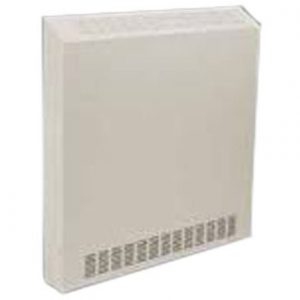
- Baseboard hot water radiators
- Heating elements and radiant panels
- Steel radiators and other hydronic heating components
Vigmark is also a distributor of Turnbull steam unit heaters, known for their robust construction and reliability in demanding industrial environments.
For the agricultural sector, Vigmark offers its own line of hot water heating units, including fan heaters for greenhouses and poultry houses, as well as radiant heating elements designed for optimal performance and longevity.
Related products:
ADVANTAGES
- EZ Select advanced selection program
- Fast delivery at all times
- Custom construction available
- Unit compatible with low temperature feed system
- Steam unit available
- Complete selection of hot water heating unit
ADDITIONAL DOCUMENTS


Discover our products
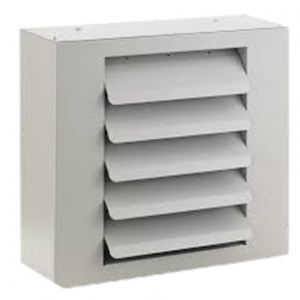
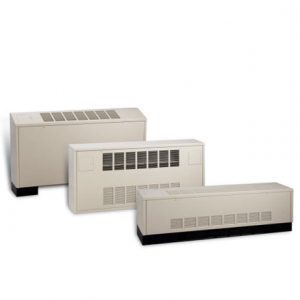
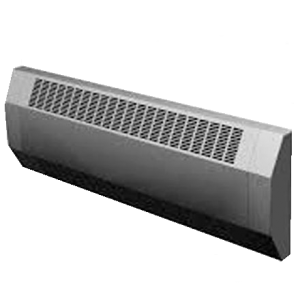
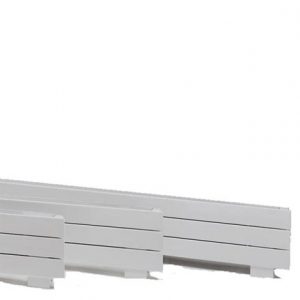
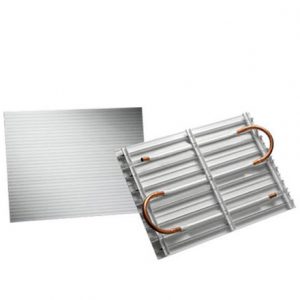
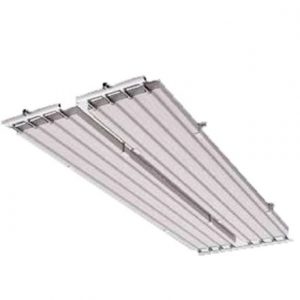
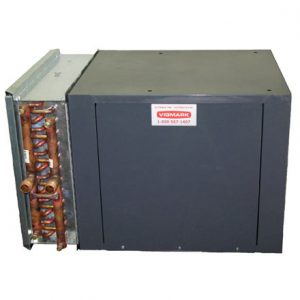
Air heater with hot water and steam in stock and available at all times!
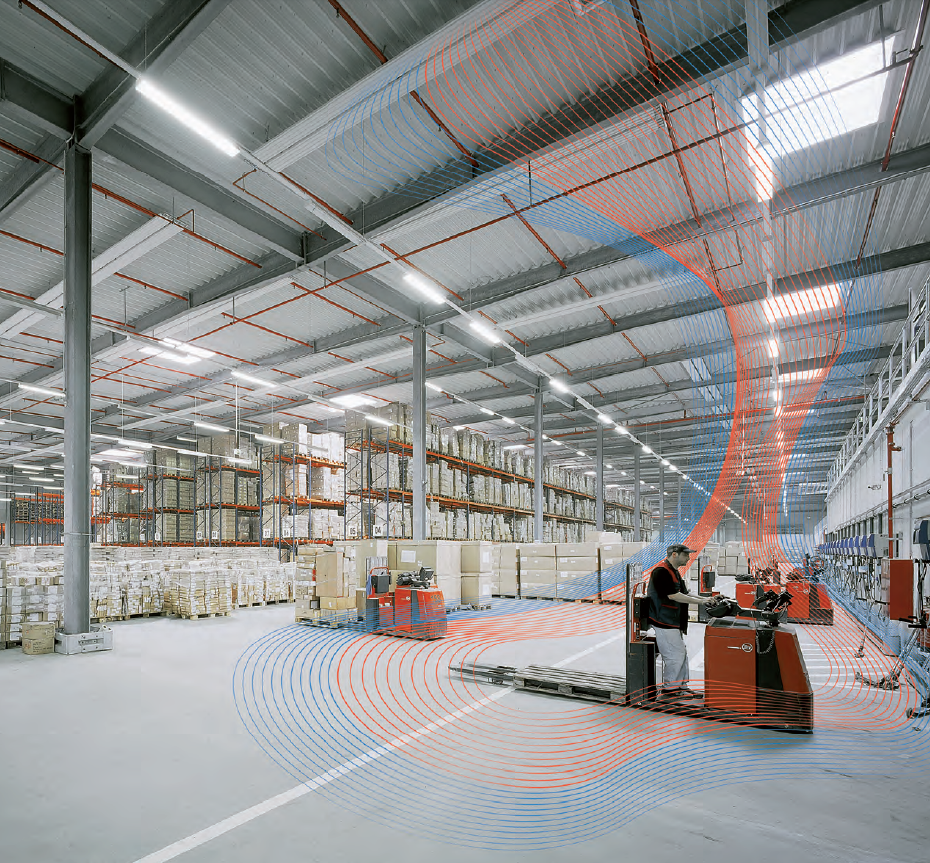
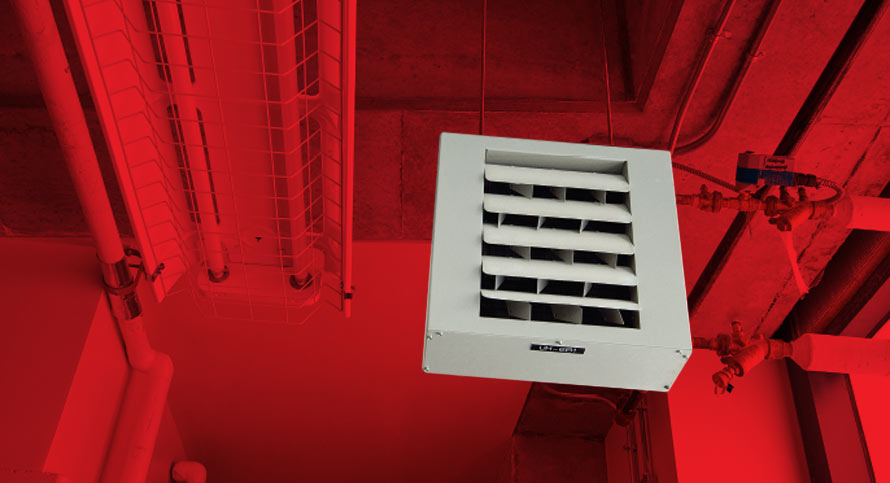
Rittling vertical or horizontal fan heaters provide uniform heating on which you can rely in large open spaces such as factories, garages and warehouses. Our high efficiency units offer low installation costs and high heat loads.
Hydronic and Hot Water Heating Solutions for Every Application
Hydronic heating systems stand out for their energy efficiency, consistent comfort, and long service life. Whether it’s for a commercial building, industrial facility, or agricultural installation, these systems provide even heat distribution while keeping operating costs low.
With decades of experience, Vigmark assists architects, engineers, and contractors in selecting the right hot water heating system for each project, from baseboard hot water radiators and hydronic unit heaters to radiant panels and steam unit heaters.
These modern systems are ideal for large spaces where reliability, performance, and energy savings are key. Vigmark’s hydronic products are compatible with low-temperature energy sources such as condensing boilers and geothermal systems, ensuring sustainable comfort for years to come.
Hot Water Heating Systems FAQ
How does a hydronic heating system work?
A hydronic heating system circulates heated water through radiators, baseboards, or unit heaters. The heat is then distributed evenly across the space through radiation and convection.
What are the main benefits of hydronic heating?
Hydronic systems offer superior comfort, quiet operation, and high energy efficiency. They also allow for zoned temperature control, reducing energy consumption in commercial and industrial buildings.
What’s the difference between a hot water radiator and a convector?
A radiator transfers heat primarily through radiation, while a convector uses airflow to distribute heat. Both are effective, the best option depends on the type of space and desired heat output.
What’s the best hot water heating solution for industrial or commercial buildings?
For office and institutional spaces, baseboard radiators or steel panels are ideal. For warehouses or workshops, unit heaters or radiant panels provide better coverage and faster response.
What is the recommended water temperature for hydronic systems?
Modern low-temperature hydronic systems operate efficiently between 50 °C and 70 °C (122 °F–158 °F), compared to older systems that required 70–90 °C. Lower temperatures increase efficiency and extend the life of components.